

desktop_dl
mobile_dl
Experience One-of-a-Kind Dentistry
from our family to yours
Experience One-of-a-Kind Dentistry
from our family to yours
Experience One-of-a-Kind Dentistry
from our family to yours
Experience One-of-a-Kind Dentistry
from our family to yours
 A Rich History of Exceptional Dental Care
Dr. Phil Gentling first opened this dental office's doors in the 1940's, establishing a foundation of outstanding professional skill and customer service that has continued to flourish to this day. We look forward to many more years of caring for patients and families!
Our Friendly Dental Team
Treats Everyone Like Family
Ongoing oral healthcare shouldn't have to be an overly cold and impersonal experience. Here in Rochester, MN, our staff members work very hard to help each patient feel warmly welcomed and right at home, listening to concerns and answering questions whenever needed. Getting to know you well over time is the best part of our jobs! By the time you're ready to leave, we sincerely hope that you have plenty of new reasons to smile brightly.
A Truly Comprehensive Dental Exam That Considers the Whole You
Contact us today to learn more about Invisalign braces, teeth whitening, implants, and more!
While your teeth may take center stage, a patient's oral health consists of several moving parts that can affect not only your oral health, but your day-to-day quality of life as well. At Gentling Dental Care, we take the time to look at the entire system and fix problems at their source. Make your appointment today for an Invisalign consultation, teeth whitening, or implants.
Schedule Your Appointment
Our team members will pinpoint the perfect time for a visit and help patients determine what their priorities are.
1-on-1, Thorough Consultation
You'll be able to sit down with one of our dentists and have their undivided attention for as long as you need.
Customized Treatment Plan
Every recommended service is designed around the patient's concerns and goals - we don't believe in "one size fits all" care.
A Qualified Team of Dentists
Dedicated to Your Smile
At Gentling Dental Care, we strongly believe that four heads are better than one - that's why our dental office features a team of knowledgeable doctors who all bring unique strengths and skills to the table! At the same time, they share a similar passion for trustworthy, family-friendly dentistry that always adheres to very high clinical standards. To put it simply, they never perform care that they wouldn't recommend to their very own loved ones.
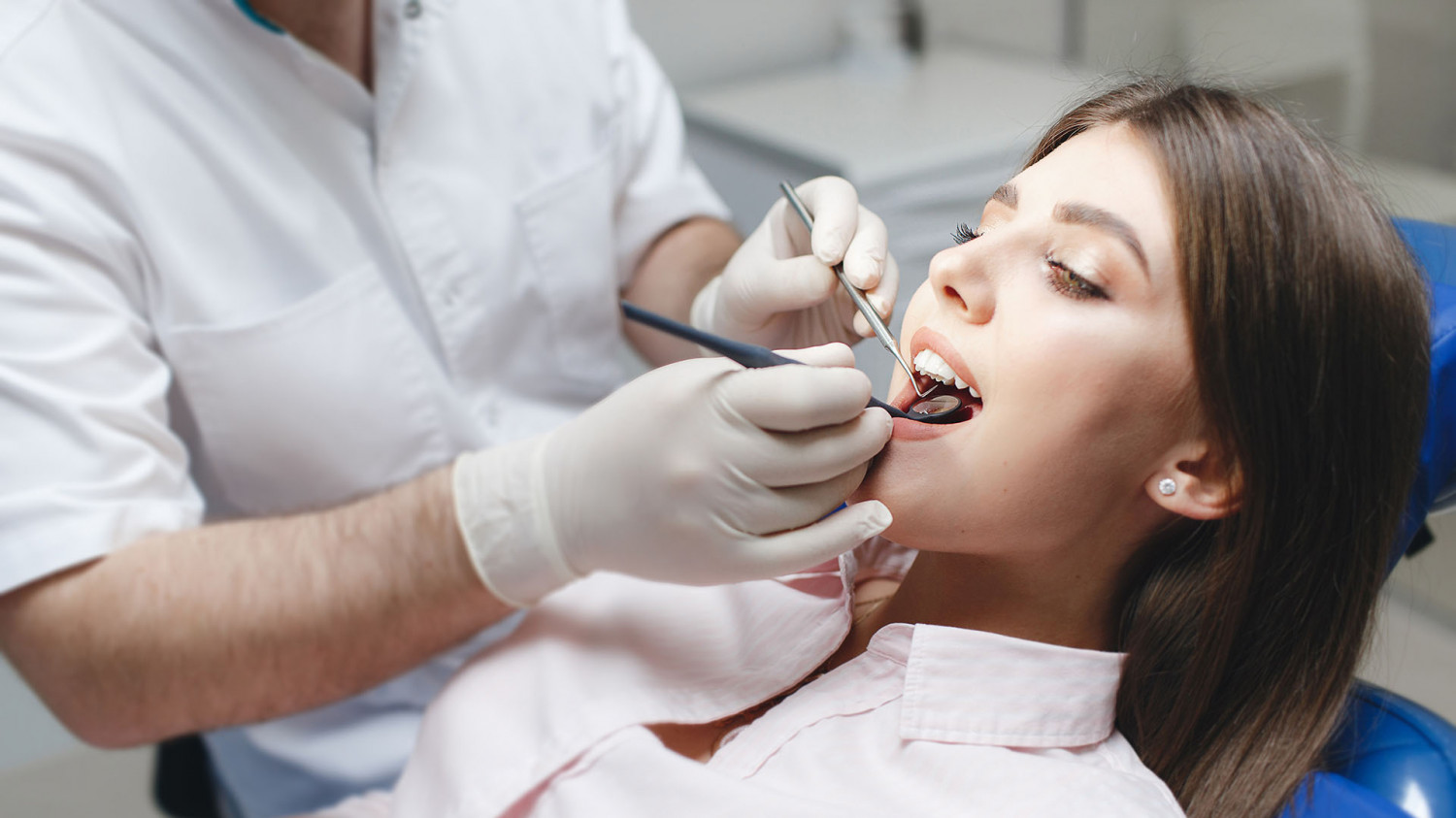
High-Quality Dentistry
Every Dental Need Covered
Balancing dental care with a busy family's various needs may feel like a juggling act at times - Thankfully, Gentling Dental Care can help everyone breathe a little easier by offering a comprehensive variety of services right here in one convenient location. From essentials like checkups and cleanings to more specialized services like custom restorations for missing teeth or sleep apnea therapy, your smile will have all the dedicated support it needs right here with our dentists.
Gain a beautiful smile without any bulky braces
If you've ever wanted to improve your smile, but dreaded the idea of bulky brackets and wires that poke your gums, Invisalign might be the solution for you! Using clear, customized trays, our dental team can help you achieve the smile you've always wanted without braces.
Compared to braces, Invisalign treatments...
- Are less obvious to other people
- Take less time for the same results
- Feel less uncomfortable and irritating
To learn more about the Invisalign treatments at Gentling Dental Care in Rochester, MN, connect with us today at 507-288-7379. We'll be happy to go over any of your questions.
Committed to Continuous Improvement







powered by BirdEye
powered by BirdEye